82.29
Atlanta


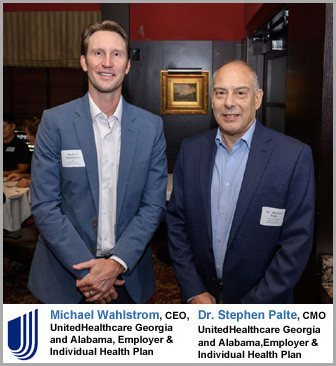

Health care affordability has always mattered to employers, but today’s cost pressures are more complex, persistent and harder to predict. That was the focus of the Sept. 3 Atlanta Trend conversation with local business leaders, where I joined Dr. Stephen Palte, our chief medical officer, for a candid discussion about what UnitedHealthcare is seeing in the market and what employers can do now.
I am grateful to Atlanta Trend for creating the forum and to every executive who joined us, asked thoughtful questions and shared what they are navigating. In our work with Georgia employers, we hear the same concern often: health care costs are no longer just a benefits issue. They are a business issue that can influence workforce health, productivity, recruitment and retention.
The numbers help explain why. UnitedHealthcare's 2026 Health Trends Report found that claims costs of $100,000 or more increased 12.9% from 2024 to 2025 across the book of business studied. Pharmacy costs rose 11% in 2025, with similar pressure projected for 2026, according to an employer survey cited in the report. Specialty medications accounted for approximately 55% of pharmacy benefit spending for UnitedHealthcare clients while representing less than 2% of utilization. These broad industry indicators point to a clear conclusion: simple benefit-design changes alone will not solve the affordability challenge.
As Dr. Palte shared, medical innovation is helping people live longer and manage more complex conditions. That is great news. At the same time, specialty medications, oncology drugs, GLP-1s and emerging cell and gene therapies carry increasingly high price tags and are driving costs higher for employers and families.
Our goal is to make sure care is clinically appropriate, connected to measurable outcomes and delivered in ways that support sustainable access.
Georgia's evolving provider landscape also deserves attention. Hospital consolidation can reduce competition and contribute to higher premiums and out-of-pocket expenses for people. We are working to support strong health systems while preserving affordability and meaningful choice.
While the No Surprises Act provides important consumer protections against unexpected out-of-network medical bills, the law’s payment dispute resolution process is adding costs to the broader system, is not working as Congress intended and should be reformed.
The good news is employers are not powerless, and we are working closely with clients to address these challenges. In fact, an independent actuarial analysis completed by Milliman in March 2026 found that UnitedHealthcare’s total cost of care was more than 11% lower than national benchmarks and up to 17% lower in certain regions. UnitedHealthcare clients using Naviguard as their out-of-network management program saw even higher savings.
Employees also need clear information and practical guidance so health care decisions feel less complicated. One-third of large employers now offer copay-driven plan designs as a standalone or complementary option, up from 10% in 2023.1
Copay-based plans replace deductibles and coinsurance with clear, upfront copays for covered services, giving employees greater visibility into what they may pay before receiving care. UnitedHealthcare’s Surest health plan is our fastest-growing commercial plan and one of the trailblazers of the copay-based model.
The Surest app and member website allow members to compare care options and understand costs before making an appointment, including lower copays for providers evaluated as delivering higher-value care based on effectiveness and cost efficiency.
According to UnitedHealthcare data, Surest employers have realized average savings of approximately 7%, while members may see savings of 20% to 40%, depending on geography and plan design.
Other meaningful levers can help employers better manage the total cost of care, including network strategies, innovative plan designs, level funding, wellness strategies, chronic condition management, pharmacy management, integrated benefits, navigation support, Centers of Excellence and stop-loss insurance.
AI tools can help identify payment inaccuracies, flag opportunities for earlier outreach and make coverage and care options easier to understand. Employers should work with a carrier that can show these tools are responsibly used to improve decisions and reduce friction while protecting privacy, with strong human oversight and accountability.
As leaders plan ahead, the right questions matter. Which cost drivers have the greatest impact for your organization? Where are employees experiencing the most friction? Which partners can help improve affordability and experience at the same time? The answer should not default to shifting more costs to employees, but to increasing the value delivered for every health care dollar invested.
Atlanta's business community has a long history of practical leadership on complex challenges. Health care affordability will require that same approach. We look forward to working with businesses across the region to support healthier employees, stronger companies and a more sustainable health care system.
PREVIOUS NEWS
NEXT NEWS

© Copyright 2026, All Rights Reserved