67.46
Atlanta


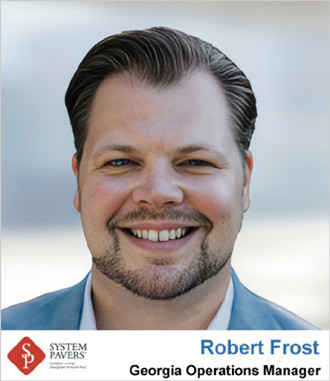

As the nation’s leader in designing and installing outdoor living solutions, System Pavers brings more than three decades of experience to the Atlanta market. In an industry often defined by seasonal peaks and winter slowdowns, longevity is never accidental.
Over the past thirty-four years, one lesson has remained constant: seasonality should never dictate performance. Long-term success is built on disciplined operational planning, intentional talent management, and marketing that resonates regardless of the calendar month.
While these lessons were shaped by the outdoor living industry, they apply to nearly any business affected by cyclical demand. Seasonality is not merely something to endure. With the right planning, it can be strategically leveraged.
Investing in Local Talent When Others Pull Back
Labor instability is among the most common challenges in seasonal industries. When workloads shrink, crews disperse, and companies must rebuild teams each spring. That cycle erodes both profitability and culture.
Forward-thinking businesses handle slower months differently. Instead of cutting across the board, they prioritize retaining top performers and maintaining stability for their strongest teams. Keeping high-caliber talent engaged during slower periods preserves institutional knowledge, sustains quality standards, and signals long-term commitment.
Strategic scheduling plays a key role. Moving complex or high-skill projects into late fall ensures experienced teams are deployed where their expertise has the greatest impact. The result is stronger execution heading into the new year and a culture rooted in accountability rather than short-term reaction.
In a competitive market like Atlanta’s, retaining elite tradespeople is a long-term growth strategy that’s proven effective.
Operational Planning: Turning Winter into an Advantage
Operational planning is the difference between reacting to seasonal shifts and controlling them.
Businesses that consistently outperform seasonal dips rarely rely on hope. They build intentional backlogs to cushion predictable slowdowns. Strategically shifting high-margin or labor-intensive projects into late fall can create momentum that carries through lower-demand months, including the typically quieter holiday season.
But stabilization is not solely about scheduling revenue. Slower production cycles also create valuable space for internal refinement. This is the time to audit performance, strengthen quality control, and recalibrate processes before peak season returns. By focusing resources on high performers and allowing natural turnover to filter out underperformance, companies enter their busiest months leaner and better prepared.
When used wisely, the off-season becomes less about survival and more about strategic positioning.
Sales Discipline: Building Tomorrow’s Pipeline Today
A healthy pipeline is never accidental.
Revenue gaps in February often stem from conversations that did not happen in November. Businesses that flatten their seasonal curves understand that sales momentum must be built well before it is needed.
Re-engaging stalled prospects, revisiting previously declined proposals, and introducing timely incentives can unlock opportunities that have been sitting dormant.
Equally important is consistent relationship-building. This means actively reconnecting with satisfied clients, cultivating referral networks, and maintaining visibility within the community.
Self-generated business is rarely spontaneous. It reflects disciplined outreach and relationship-building weeks or months in advance. Consistent engagement reduces reliance on peak-season demand and creates steadier performance throughout the year.
Product Strategy Without Seasonal Whiplash
Diversification can help balance seasonal shifts, but only when approached with intention.
Certain products or services may follow weather patterns, yet chasing short-term demand can dilute brand identity and operational focus. Sustainable growth comes from mastering a core niche and executing it exceptionally well. Complementary offerings should enhance that expertise, not redefine it each quarter.
Messaging also plays a pivotal role. Instead of focusing solely on product or service features, focus on the experience. For example, we don’t just build fire pits. We create memorable moments of loved ones cozied up around a warm fire under the stars. When messaging shifts from “what it is” to “how it feels,” brands build emotional relevance and depth that resonate year-round.
Across industries, the same principle applies. When marketing speaks to outcomes rather than components, brands resonate year-round.
A Strategic Commitment to Atlanta
Launching in Atlanta represents more than geographic expansion. It is a long-term investment in one of the Southeast’s most dynamic and opportunity-rich markets.
The region’s four-season climate presents both a challenge and an opportunity. This makes it an ideal environment for applying a disciplined operational strategy.
Businesses that embrace intentional planning, talent retention, and proactive pipeline management are positioned not only to weather seasonal shifts but also to grow through them.
Strengthening these practices contributes to more than individual company success. It supports workforce stability, steady economic activity, and sustainable growth across Georgia’s business community.
PREVIOUS NEWS
NEXT NEWS

© Copyright 2026, All Rights Reserved